
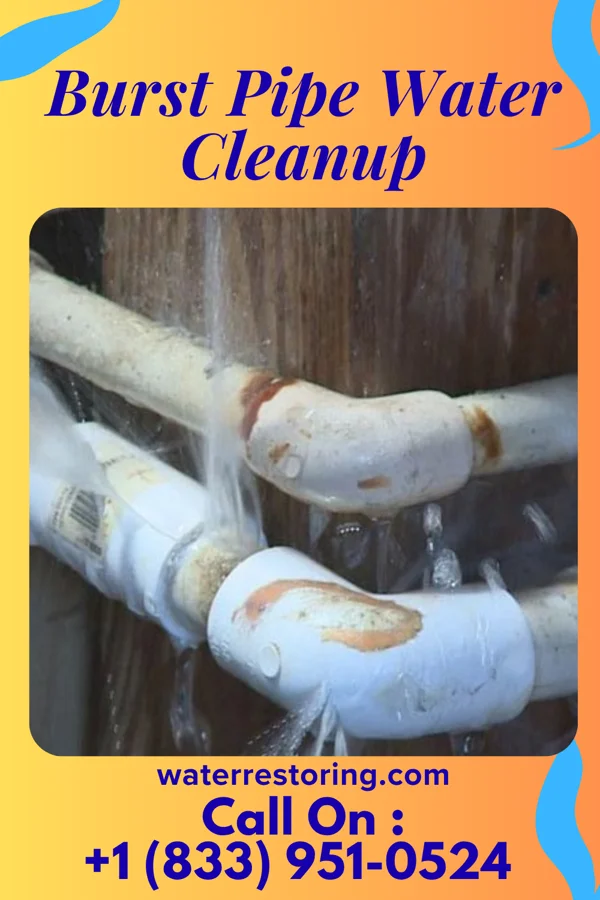
Why Burst Pipes Hit Park Ridge Hard
The pattern in Park Ridge is consistent. Park Ridge experiences a moderate risk of burst pipes due to its aging infrastructure and the presence of older residential and commercial buildings. The city's proximity to Woodcliff Lake and other water bodies increases the likelihood of water pressure fluctuations, which can lead to pipe failures, especially in older homes with outdated plumbing systems. drives most of the emergency restoration calls we get. A close second is The city's suburban layout and reliance on underground water lines make it vulnerable to pipe bursts during extreme weather events. Additionally, the high population density in areas like Montvale and Hillsdale contributes to increased water usage and pressure, further elevating the risk of pipe failures..
Park Ridge's temperate climate with cold winters and warm summers creates a unique set of challenges for plumbing systems. The city's seasonal changes, combined with its suburban development, require proactive maintenance and emergency response to prevent water damage from burst pipes.
Park Ridge's temperate climate with cold winters and warm summers creates a unique set of challenges for plumbing systems. The city's seasonal changes, combined with its suburban development, require proactive maintenance and emergency response to prevent water damage from burst pipes. The dominant local driver is Park Ridge experiences a moderate risk of burst pipes due to its aging infrastructure and the presence of older residential and commercial buildings. The city's proximity to Woodcliff Lake and other water bodies increases the likelihood of water pressure fluctuations, which can lead to pipe failures, especially in older homes with outdated plumbing systems., with The city's suburban layout and reliance on underground water lines make it vulnerable to pipe bursts during extreme weather events. Additionally, the high population density in areas like Montvale and Hillsdale contributes to increased water usage and pressure, further elevating the risk of pipe failures. showing up as the next most common cause. Damage builds in stages. Spread. Absorption. Microbial growth. Structural compromise. Every stage you pass through adds to the final bill.
For public guidance on the health effects of mold after prolonged water exposure, see the EPA mold and health page.